
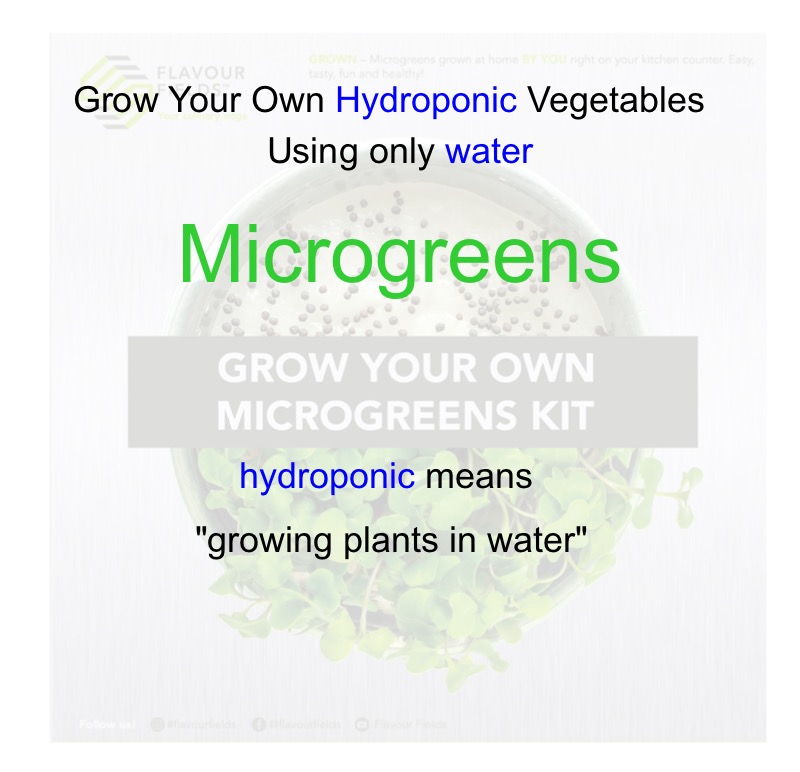
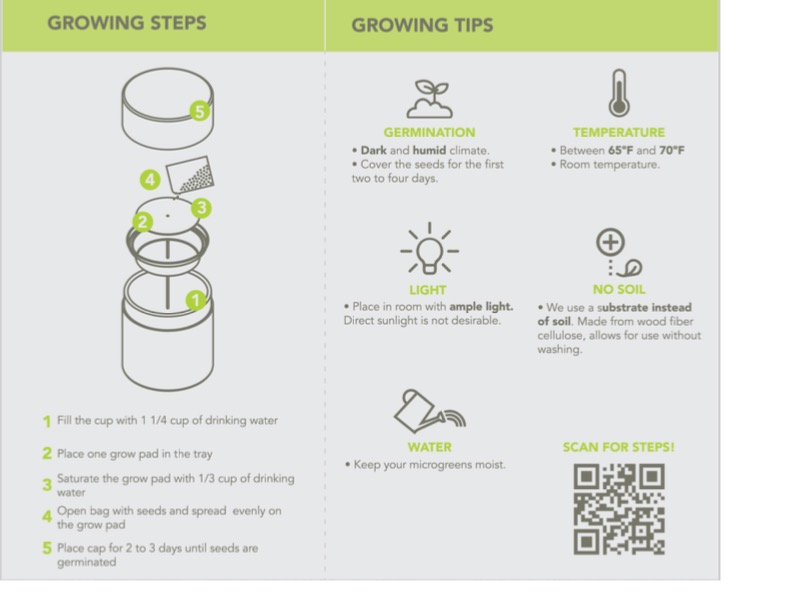
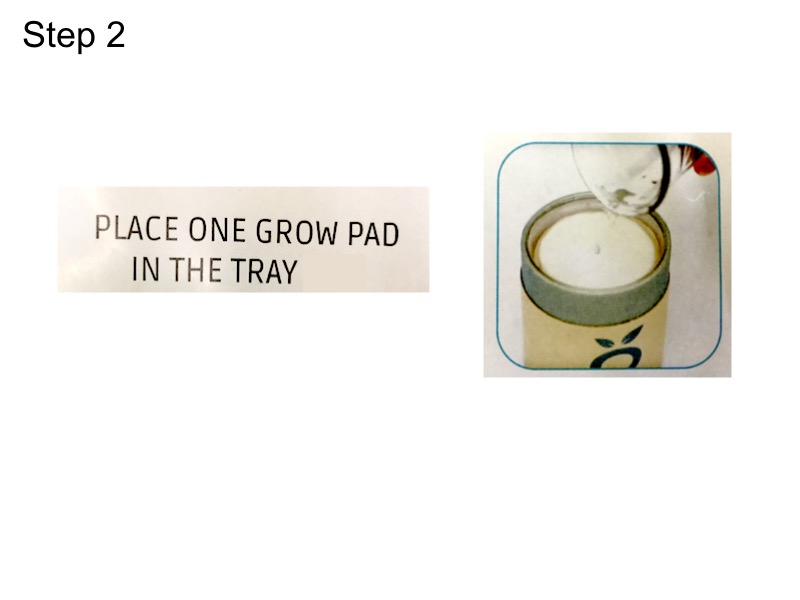
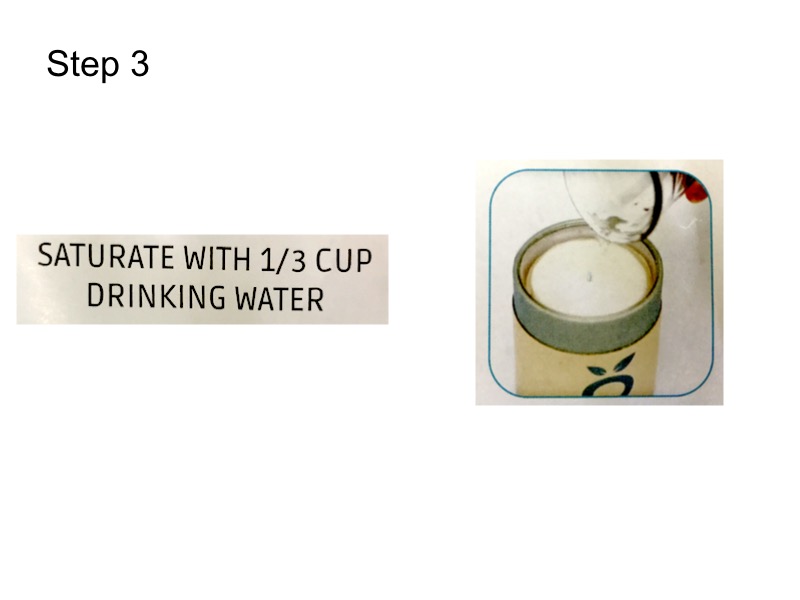
Feel like doing this yourself? Here is a slide show I made up that you can use.




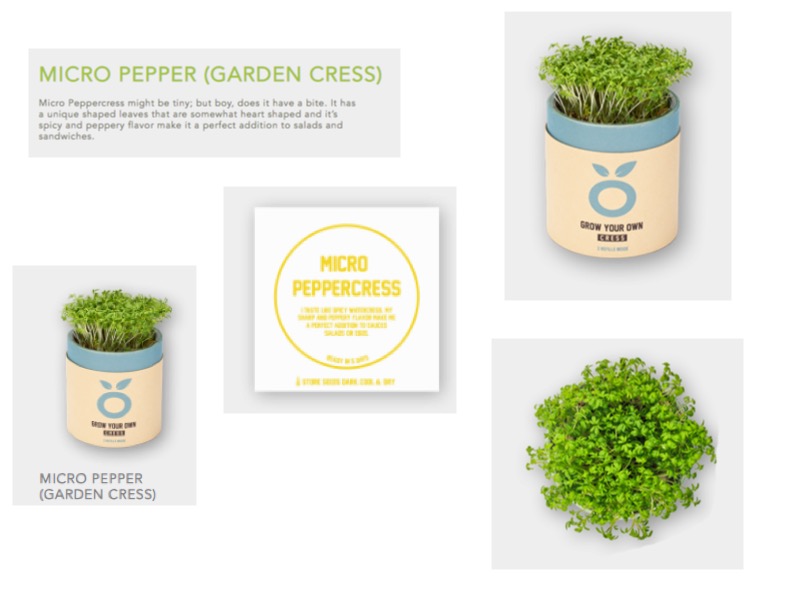
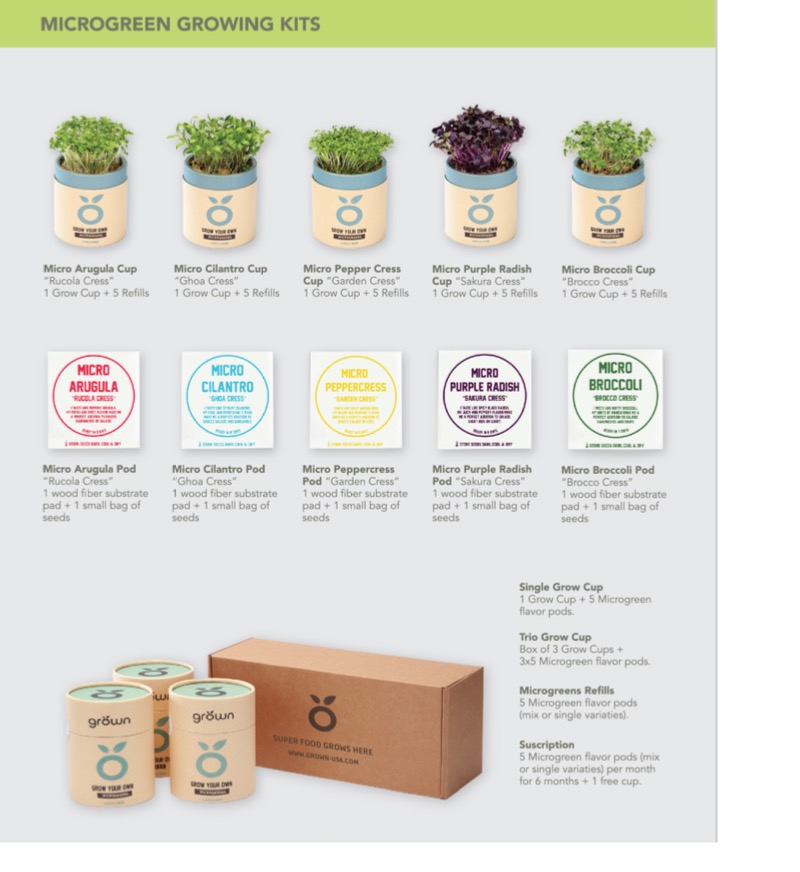
The Purple Radish sprouted, but so did the mold. There may even be a little critter in the bottom photo.
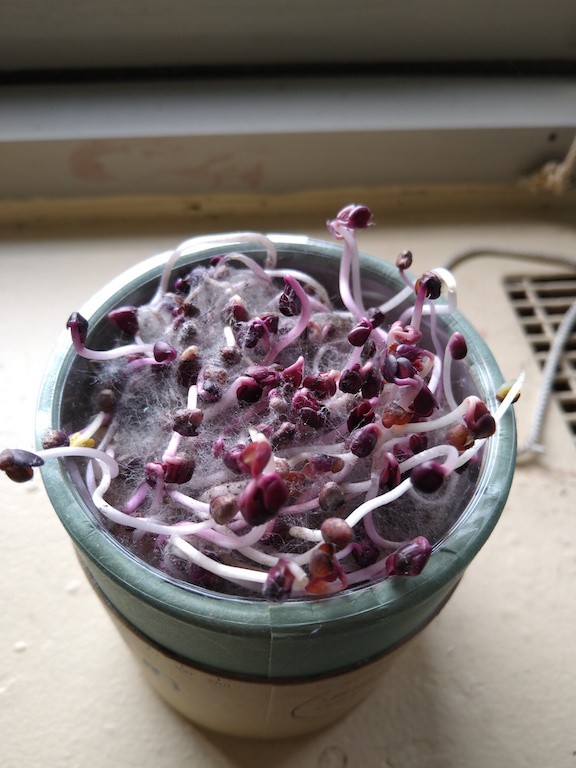

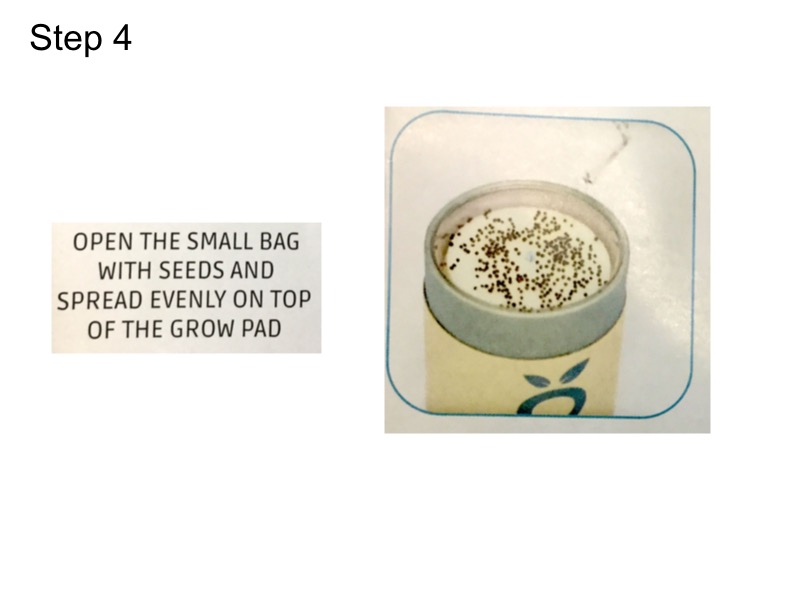
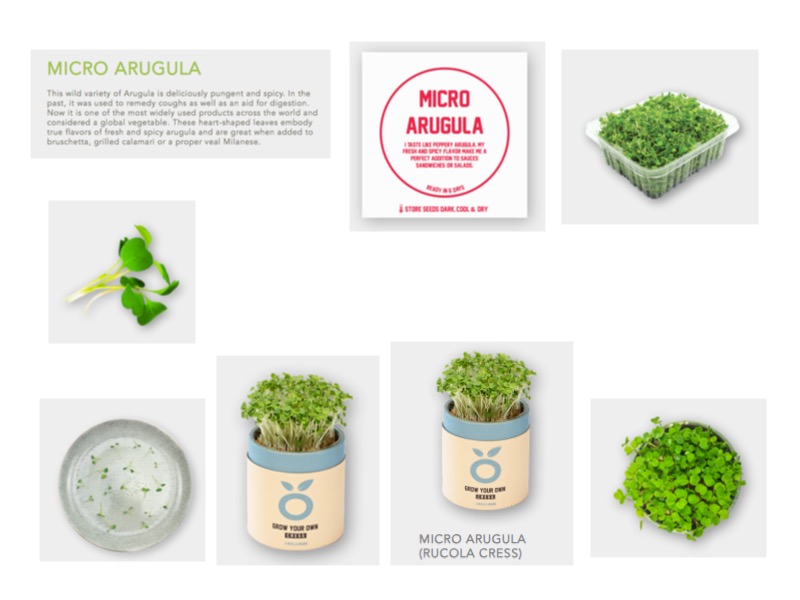
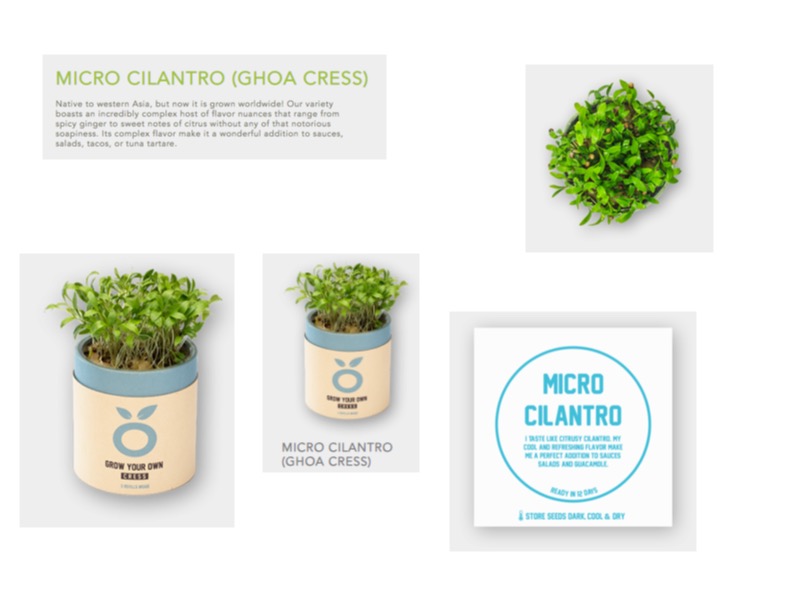
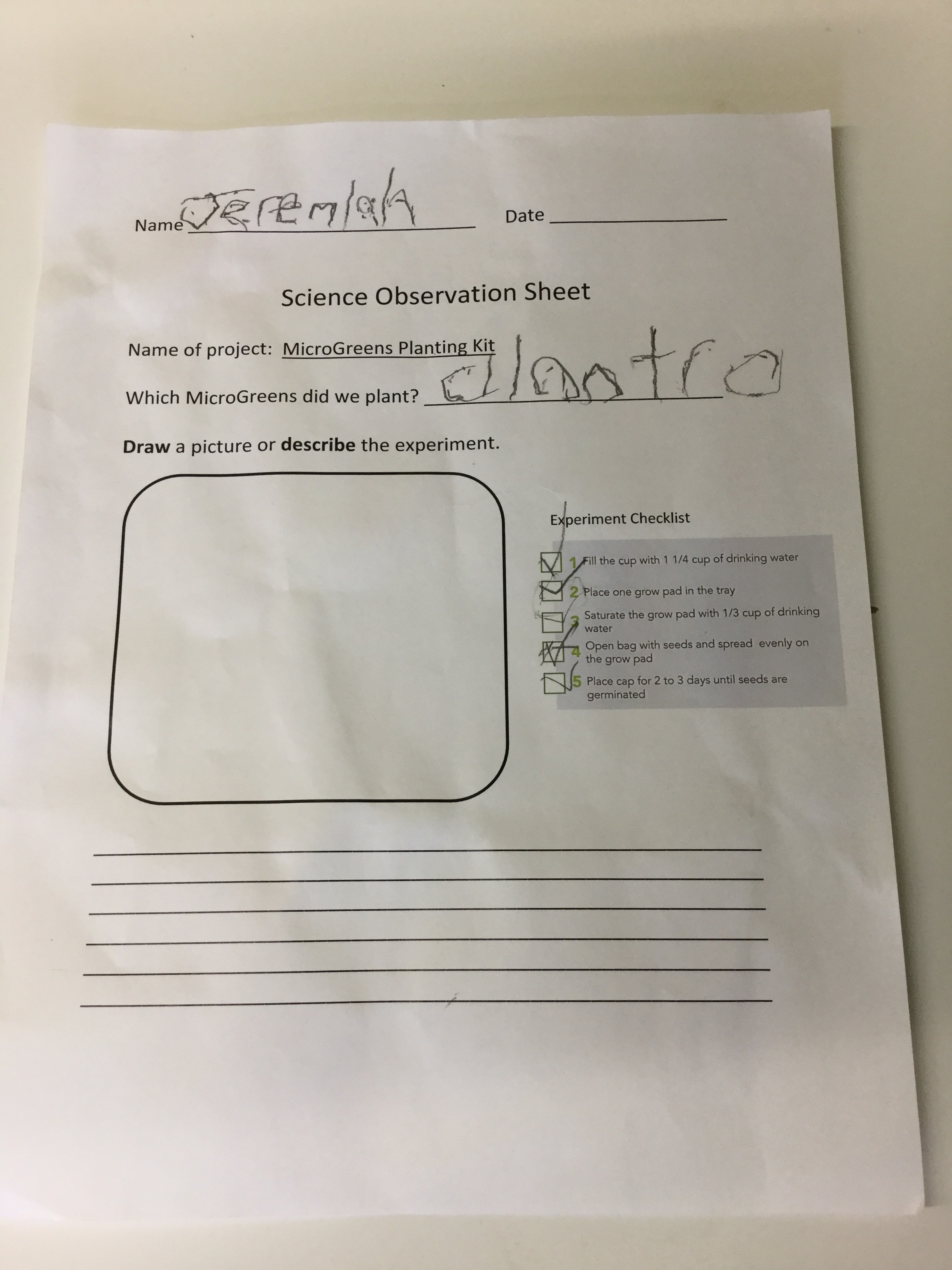
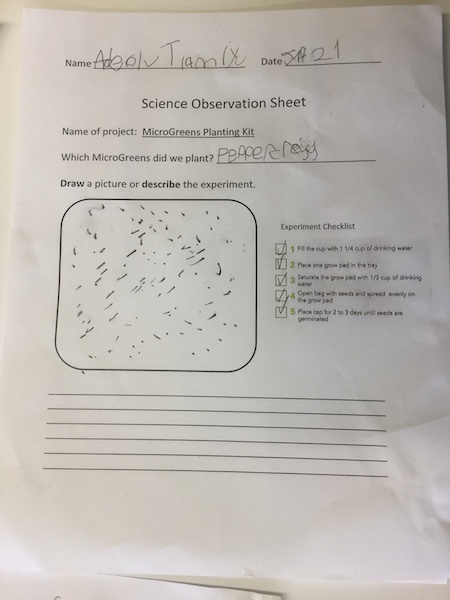
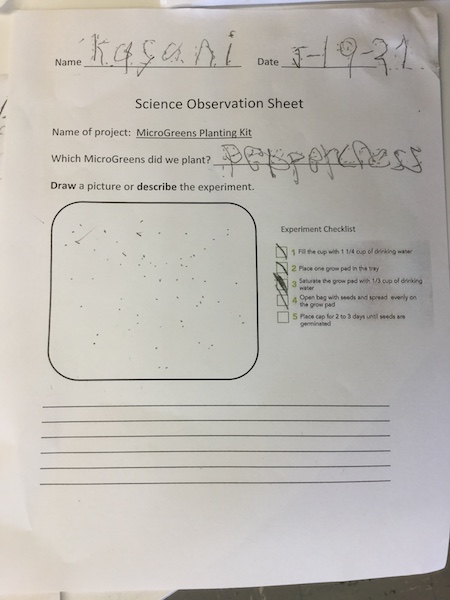
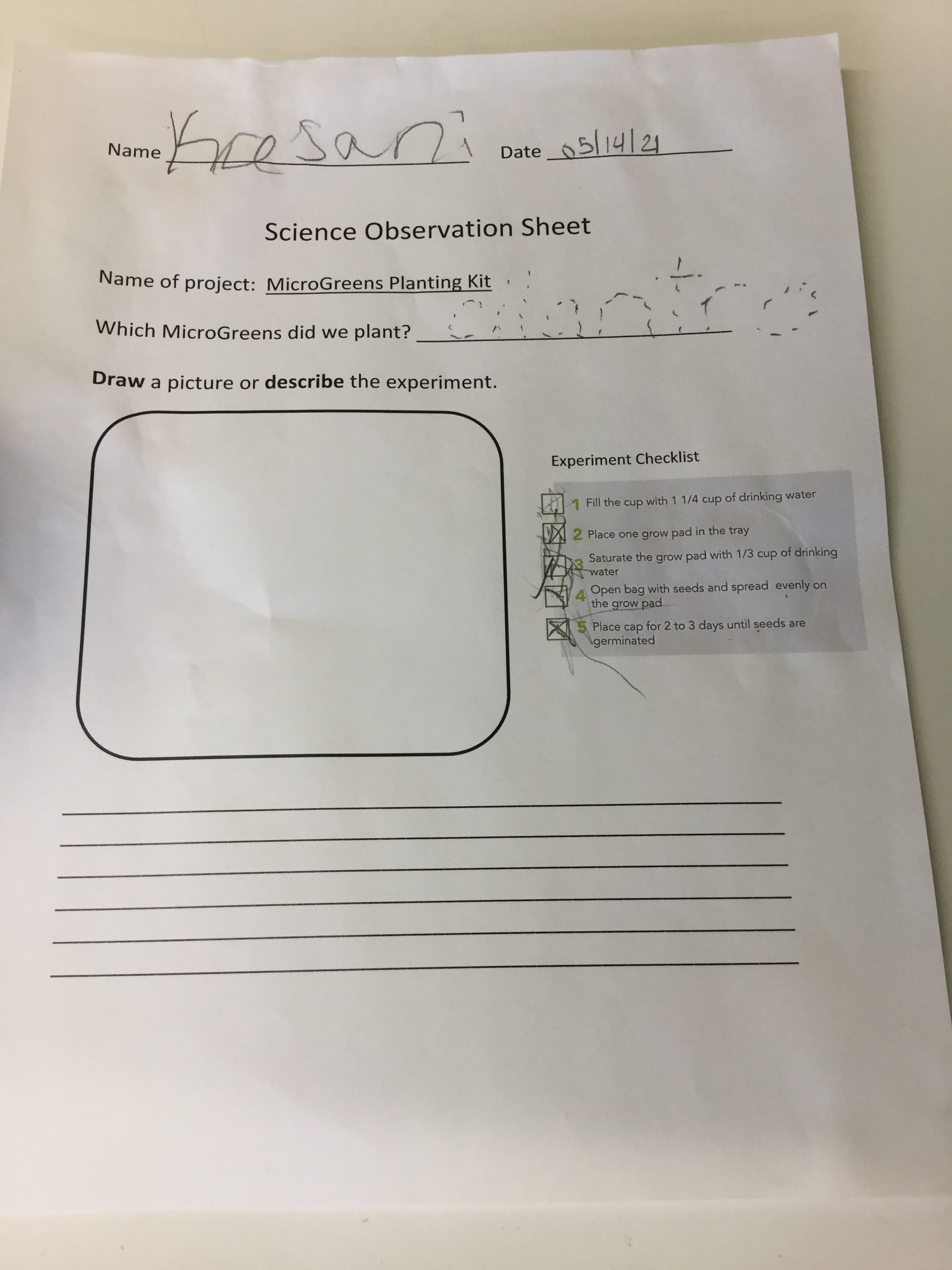
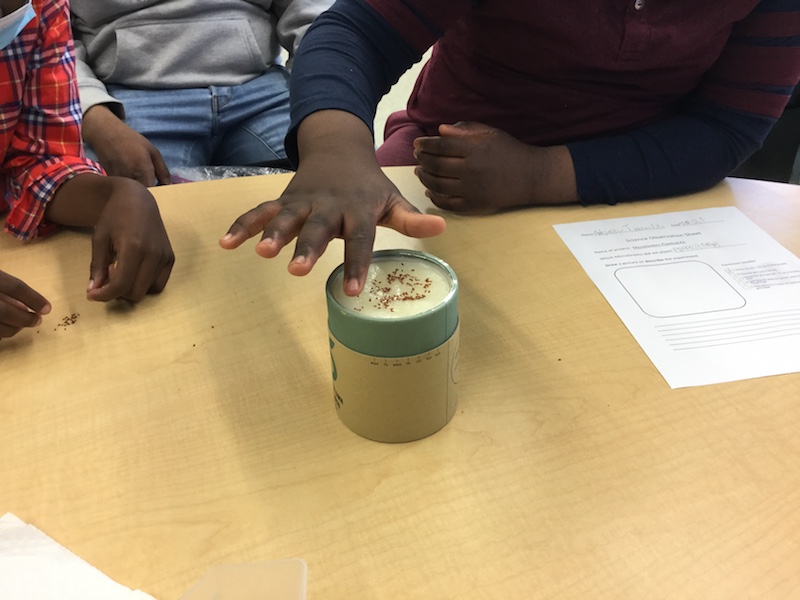
The students sowed their first seeds! They planted peppercress and cilantro (which is also know as coriander). They recorded data in their science observation sheets.
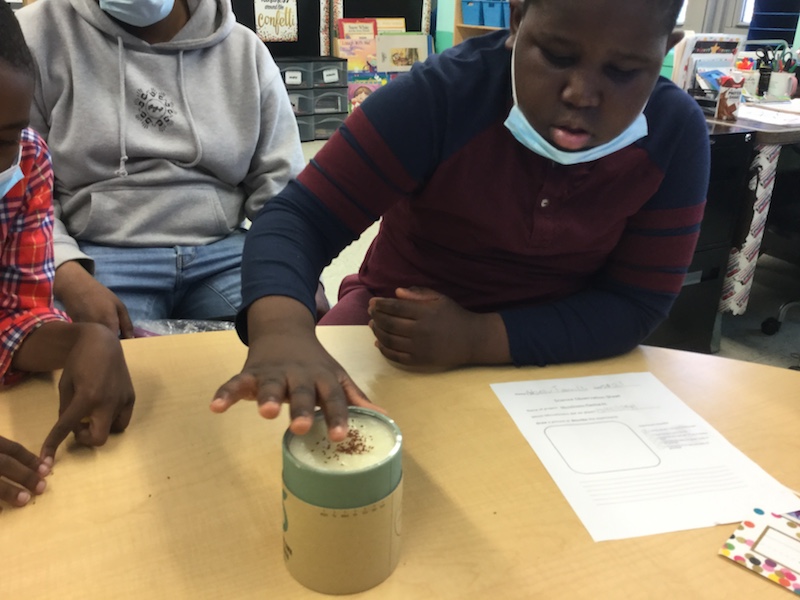
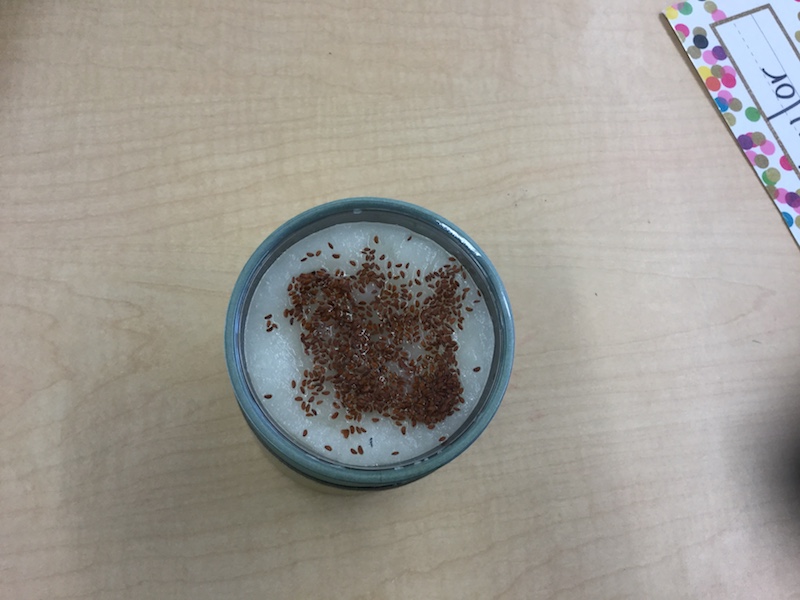
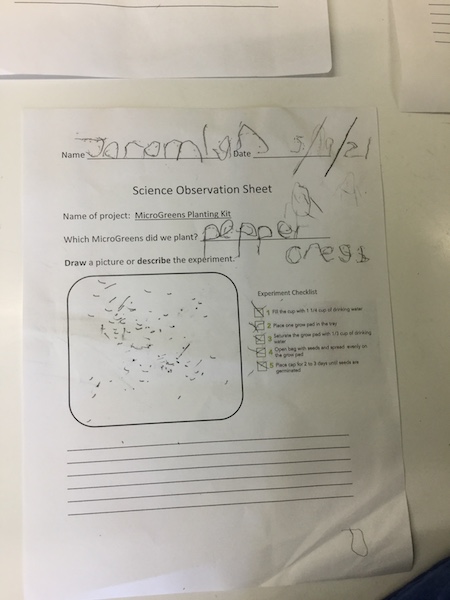
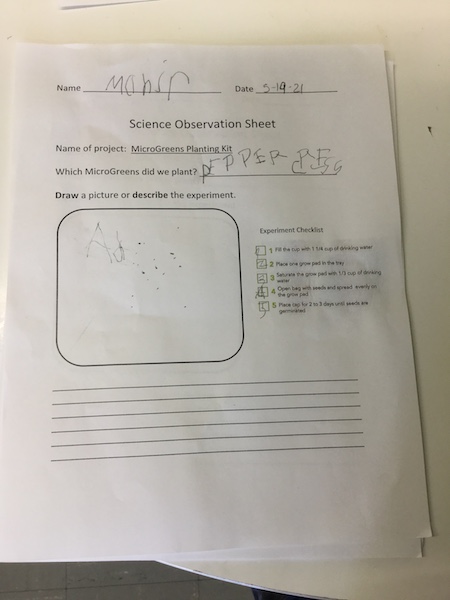
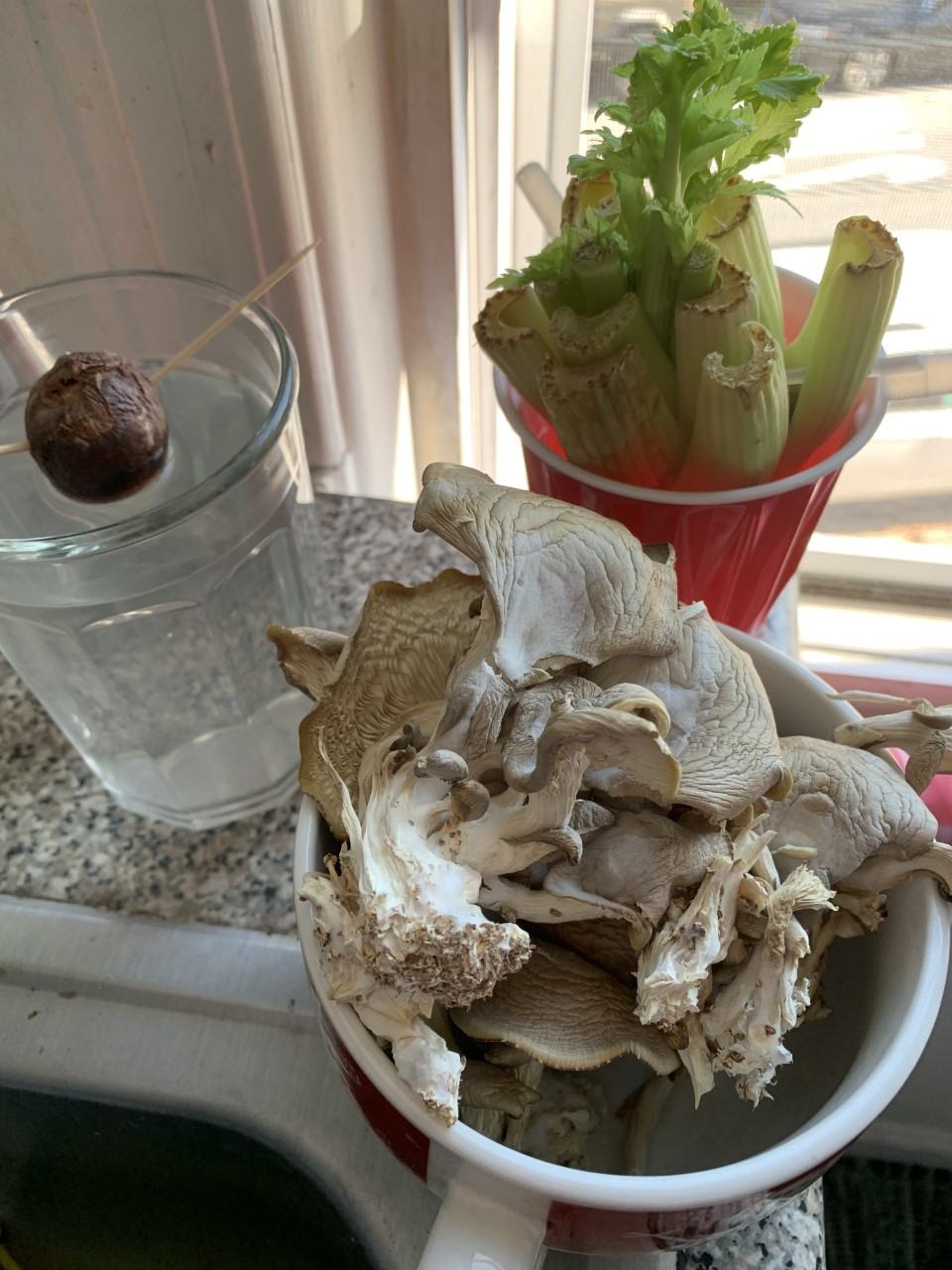
Y53 may not be able to plant outside but we managed to grow mushrooms and celery; our lemon tree continues to grow; and a new avocado tree is in the works. So proud of this class!

Thank you Alanna O’Donnell, of P721K
From Stop and Shop supermarket, to seeding, to watering, to planting, to potting, to repotting, to flowering, to gardening, to…
Gherkin!
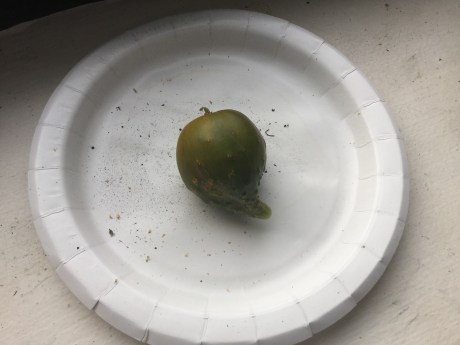
We had to get rid of four plants — the big gherkin and cucumber, the tomato and eggplant. They went outsides to try their luck with the polinators there, as they were not bearing any fruit.
The last indoor plant is the bell pepper. See its flowers?
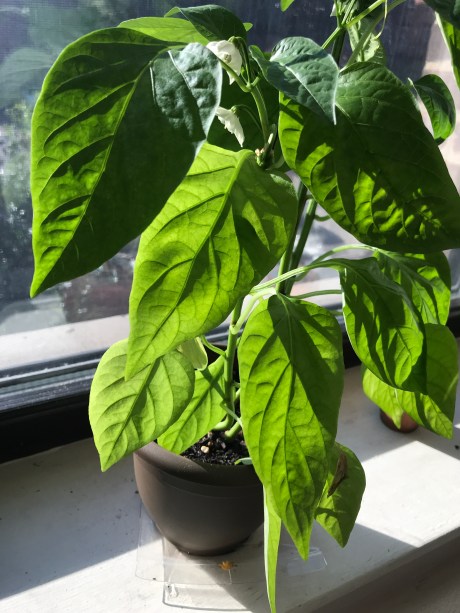
We are bringing it outside now, so maybe there will be fruit come harvest time.
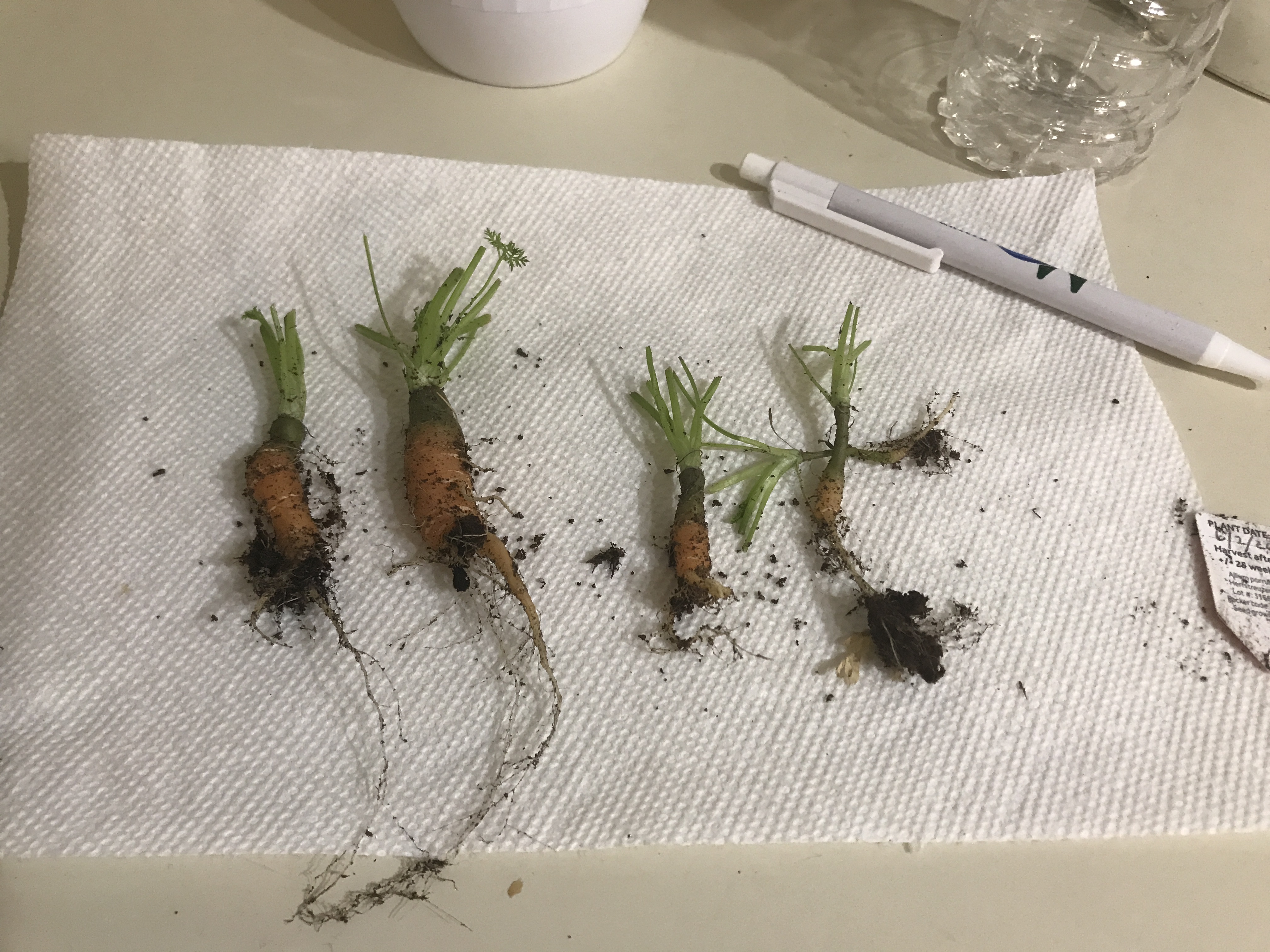
These four precious babies are the results of two months of tlc. I almost don’t want to eat them…

Pickle Baby!
After a long wait, the gherkin produced female flowers. These are the flowers that have miniature cucumbers right behind the flower. No female flower, no fruit!

I brought two bags of compost back to the house, to pour onto my indoor garden (well, what is remaining: in advance of a two-week vacation, we harvested the greens: carrot greens, celery greens, beet greens [reds?], turnip greens, and parsley, and since the roots never really grew, I dumped the soil and we are finished with them).
So what is remaining, you ask? See for yourself,
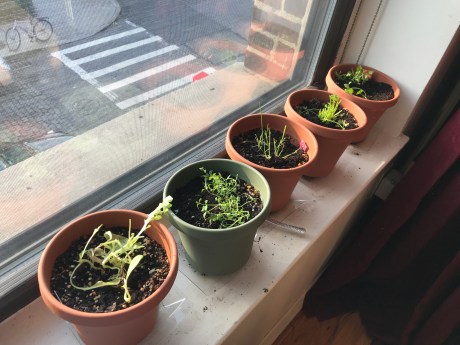
from left to right: leaf lettuce, thyme, leeks, carrot, and parsley/celery
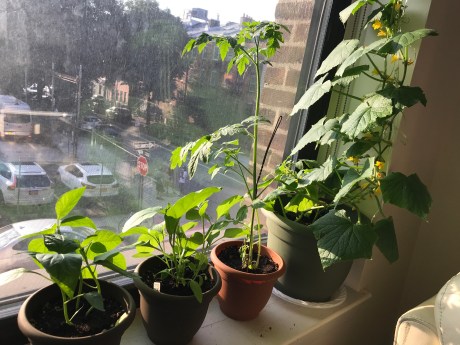
from left to right: green pepper, eggplant, cherry tomato, and cucumber

from left to right: basil and gherkins
 D75 Plant Learn Grow